
Construction sites are among the most dangerous places to work, with falls being one of the leading causes of fatalities. In fact, falls account for a significant percentage of construction-related injuries and deaths each year. While safety measures and protocols are continuously improving, one essential tool stands out when it comes to fall prevention: lifelines.
Let’s take a look at the role lifelines play in preventing fatal falls in construction and why every job at height requires them.
What Are Lifelines?
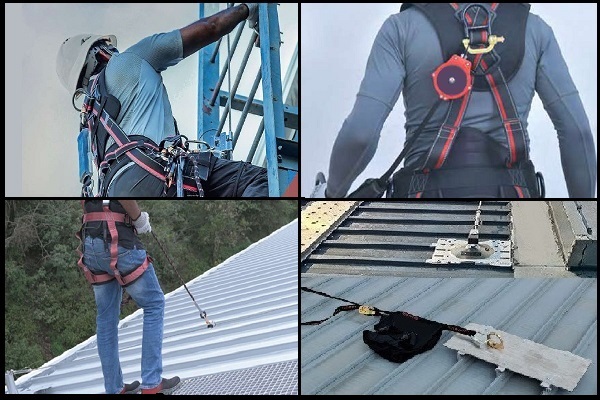
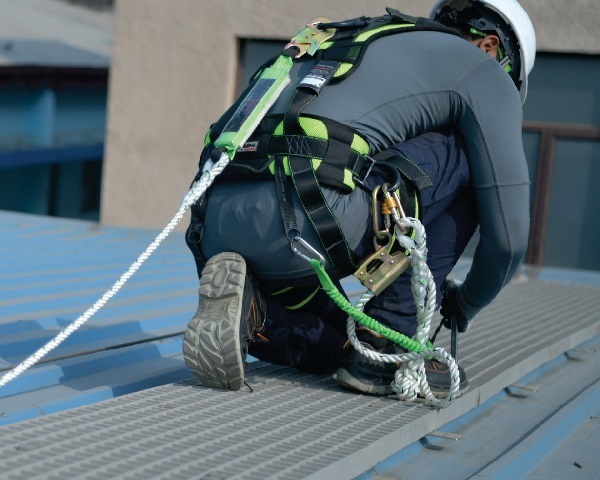
A lifeline is a secure, flexible line that a worker can attach to, typically via a harness or lanyard. This line acts as a safety tether, keeping the worker connected to a stable structure or anchor point. The purpose of a lifeline is to prevent the worker from falling in the first place, or at least significantly reduce the distance and severity of a potential fall.
Lifelines are generally made from durable materials such as steel cable, synthetic rope, or nylon webbing, which can withstand the force of a fall and safely arrest the worker’s descent. Depending on the job, lifelines can either be horizontal (running along a path), vertical (anchored above or below), or retractable (which automatically adjusts the length to keep slack to a minimum).
Lifelines and Fall Prevention: Why They Matter
In a construction environment, workers often face elevated risks as they work on scaffolds, rooftops, ladders, and other high structures. The key to preventing serious injury or death is making sure that a fall arrest system is in place, and lifelines are central to this system. Here’s why lifelines are essential:
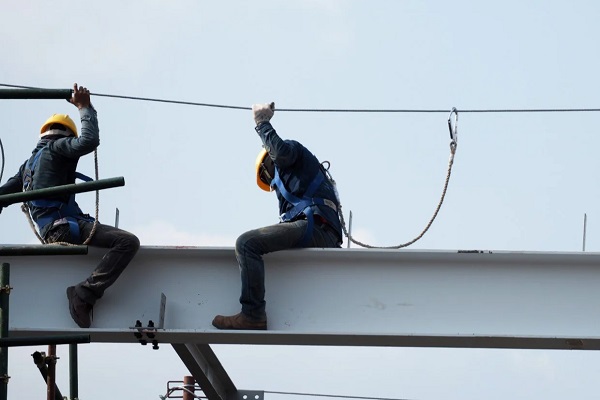
- Prevents the Fall from Happening: One of the main purposes of a lifeline is to keep the worker tethered to a stable structure, reducing the risk of falling off the edge of a building, scaffolding, or another elevated surface. If the worker loses their footing or slips, the lifeline prevents them from falling to the ground.
- Reduces the Severity of Falls: In situations where a fall is unavoidable, lifelines help arrest the fall. By slowing or stopping the worker’s descent, the lifeline minimises the risk of severe injury or fatality. This fall protection system can be the difference between a minor incident and a life-threatening situation.
- Improves Worker Confidence: Knowing that lifelines are in place provides workers with a sense of security. When workers feel safe, they are more likely to focus on the task at hand, which helps prevent accidents caused by distraction or haste.
- Meets Safety Regulations: Construction sites are required by law to adhere to safety standards set by organizations like OSHA (Occupational Safety and Health Administration). These regulations mandate the use of fall protection systems, including lifelines, whenever workers are exposed to fall hazards of six feet or more. Ensuring proper use of lifelines helps construction companies comply with these critical safety regulations.
Types of Lifelines
There are several different types of lifelines, each designed for specific situations:
- Horizontal Lifelines: These run across a worksite, often along a scaffold or roof edge, providing a continuous anchor point for workers. Workers can move along the lifeline while remaining secure.
- Vertical Lifelines: These are typically used on tall structures, such as buildings or towers. The worker is connected to the vertical line via a lanyard or rope grab, which moves up and down with the worker.
- Self-Retracting Lifelines (SRLs): These retractable devices automatically adjust the length of the lifeline to keep slack to a minimum, offering greater mobility and reducing the risk of tripping.
Training and Maintenance Are Key
While lifelines play an important role in fall prevention, they are only effective when used properly. Workers must receive thorough training on how to use fall protection equipment, including lifelines, harnesses, and lanyards. Proper maintenance and inspection of these systems are equally essential. A damaged lifeline is as dangerous as not using one at all, so regular checks ensure the system remains safe and effective.
Phakimisa Industrial specialises in providing top-quality safety solutions, including reliable lifeline systems for construction sites. Their expertise ensures that workers are securely tethered, reducing the risk of falls and improving overall site safety. By offering durable, compliant, and easy-to-use fall protection equipment, Phakimisa Industrial helps businesses meet safety regulations and protect their workforce, contributing to safer, more efficient construction operations.