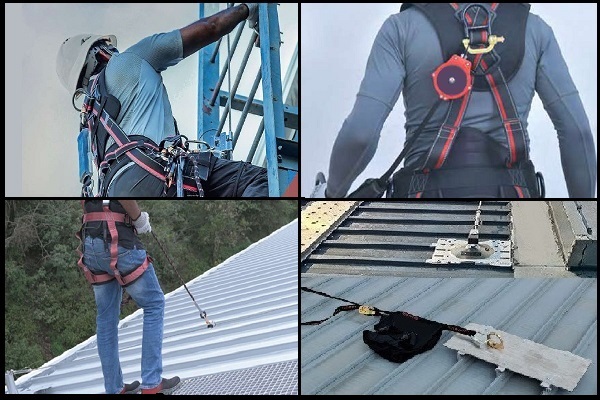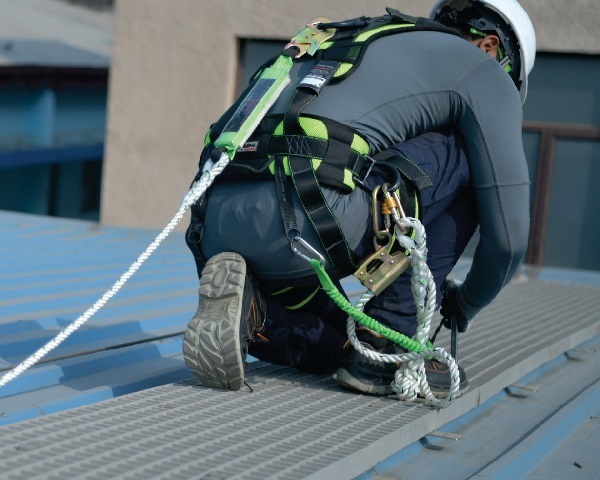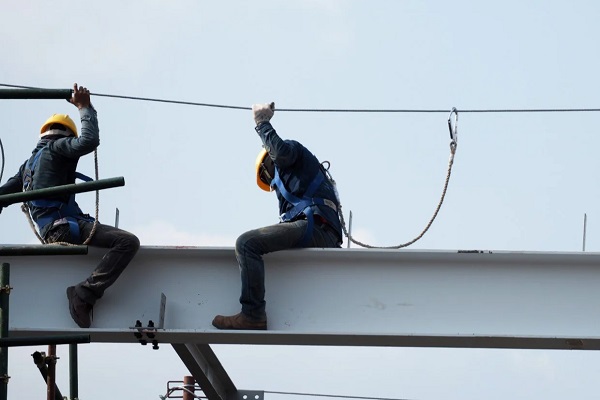

In South Africa’s bustling construction industry, ensuring worker safety while working at heights is a top priority. With a focus on safety and compliance with local regulations, lifelines are an essential part of any fall arrest system. These lifeline safety systems help reduce the risk of falls and injuries, but not all lifelines are created equal.
Let’s take a closer look at the top lifeline safety features that ensure both safety and efficiency.
1. Durable and Strong Materials
The material of a lifeline is vital for its performance and reliability. Common materials used for lifelines in South Africa include synthetic ropes, steel cables, and webbing. Each material has its benefits depending on the work environment.
- Steel Cable Lifelines: These are strong and durable, making them ideal for heavy-duty industrial applications. Steel cables are resistant to abrasion and harsh conditions, making them perfect for construction sites where exposure to chemicals or extreme weather conditions is common.
- Synthetic Rope Lifelines: Nylon and polyester ropes are lightweight and flexible, providing excellent shock absorption. Synthetic ropes are often used in situations where flexibility and ease of handling are required, like maintenance tasks in confined spaces or on scaffolding.
- Webbing Lifelines: Often made from polyester or similar materials, webbing is UV-resistant, lightweight, and easy to handle. It’s commonly used for personal fall protection in situations where heavy-duty fall arrest isn’t required.
2. Energy Absorption for Fall Arrest
The primary purpose of a lifeline system is to prevent injury in the event of a fall. The lifeline must reduce the impact force on the worker’s body when they fall. This is where energy absorbers come in.
Energy absorbers work by slowing the deceleration rate during a fall, thus reducing the forces that act on the body. This feature is crucial in construction environments where workers are exposed to various heights.
3. Adjustable Length for Flexibility
An important feature of lifelines is their adjustability. Lifelines should be able to extend and retract easily to match the worker’s movements, ensuring they remain connected to the system while offering freedom of movement. Adjustable lifelines allow workers to easily move between work areas without the risk of becoming disconnected from their fall arrest system.
In large South African construction sites, workers often need to move between different levels or across scaffolds. Adjustable lifelines ensure that no matter how much the worker moves, they are always tethered securely. This flexibility reduces the risk of falls while increasing the efficiency of the workers on the job.
4. Reliable Anchorage Points
The anchorage point is where the lifeline is secured, and it plays a pivotal role in the system’s overall safety. A proper anchorage point must be strong enough to withstand the forces generated by a fall. In construction, these points are often beams or scaffolding that are structurally sound.
For maximum safety, it is important to have a lifeline with multiple attachment points. These points allow workers to connect at various locations depending on the work they are doing, ensuring that they are always properly secured.
5. Retractable Lifelines for Continuous Protection
Retractable lifelines are a popular choice for providing continuous fall protection without the restriction of a fixed-length rope. These lifelines automatically retract as the worker moves, ensuring that they are always securely connected without the need for manual adjustments.
Retractable systems are particularly useful for tasks where workers need to cover large areas, such as on rooftops or tall buildings. They are also compact and easy to carry, making them a great option for workers who need flexibility and mobility on site.
6. Visual Inspection Indicators
Regular inspection of lifeline systems is crucial for maintaining safety standards on construction sites. Many modern lifelines include visual inspection indicators that make it easier for safety officers to assess whether the system is in working condition.
These indicators may include color-coded markings or tags that alert workers to any damage or wear on the lifeline. Having a clear system for inspection helps ensure that all lifelines are maintained properly, reducing the risk of using faulty equipment.
7. Compliance with South African Safety Standards
In South Africa, safety regulations are governed by standards set by organizations like the Department of Labour and SANS (South African Bureau of Standards). Compliance with these standards is essential for ensuring that fall protection systems are effective and legally compliant. Lifelines should be designed and tested according to local safety regulations, such as SANS 5005 for fall protection equipment.
Phakimisa provides high-quality safety solutions tailored to the South African construction industry, including lifeline systems that ensure maximum fall protection. By offering durable, compliant, and flexible fall arrest systems, Phakimisa helps reduce workplace accidents and improve worker safety.