
Benefits of Protection Systems
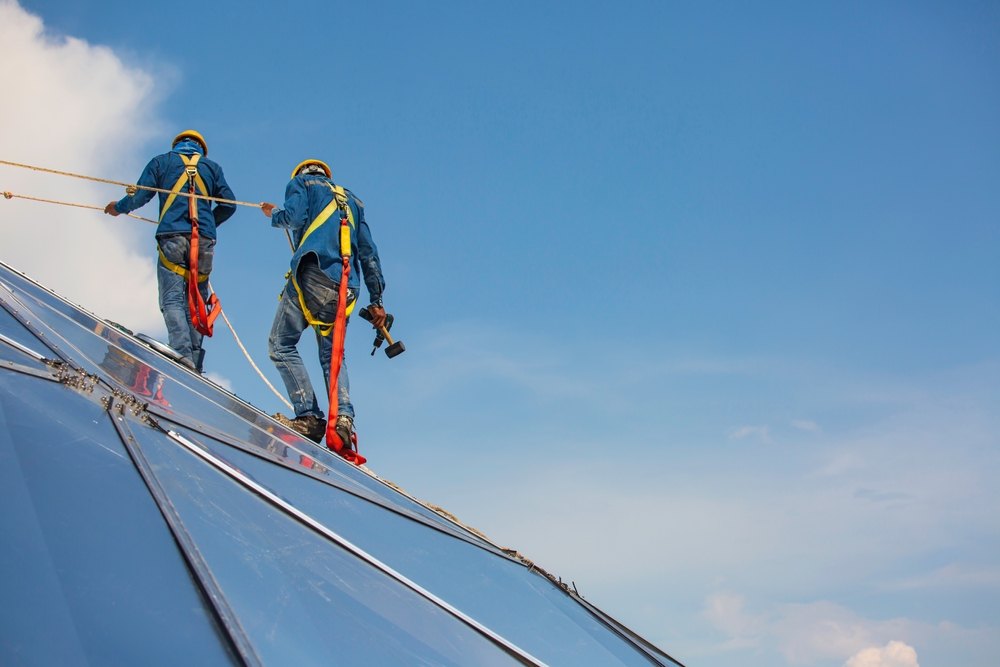
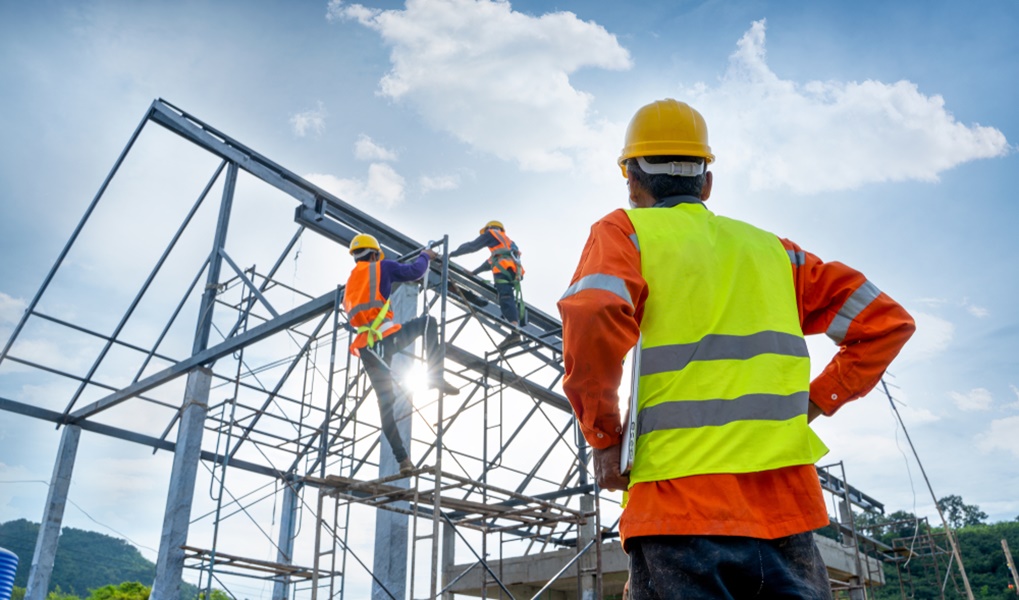
- Lives Saved: The primary benefit of these protection systems is the prevention of fatal accidents. These systems ensure that workers remain secure while performing tasks at heights, reducing the risk of fatal falls.
- Injury Prevention: These systems significantly reduce the severity of injuries that may result from falls. Properly designed systems distribute impact forces and lessen the potential for trauma.
- Compliance with Regulations: Many industries are governed by strict safety regulations that mandate the use of fall protection systems. Implementing these systems ensures compliance and prevents legal issues.
- Increased Productivity: Workers feel more secure and confident when equipped with these protection systems. This can enhance their efficiency and productivity by eliminating concerns about personal safety.
- Positive Work Environment: Organizations that prioritize worker safety by implementing fall protection systems demonstrate their commitment to employee well-being. This fosters a positive work environment and encourages loyalty.
In conclusion, these protection systems are paramount in industries were working at heights is a necessity. By preventing falls, mitigating injuries, ensuring regulatory compliance, enhancing productivity, and cultivating a positive workplace atmosphere, these systems contribute significantly to both individual safety and organizational success.