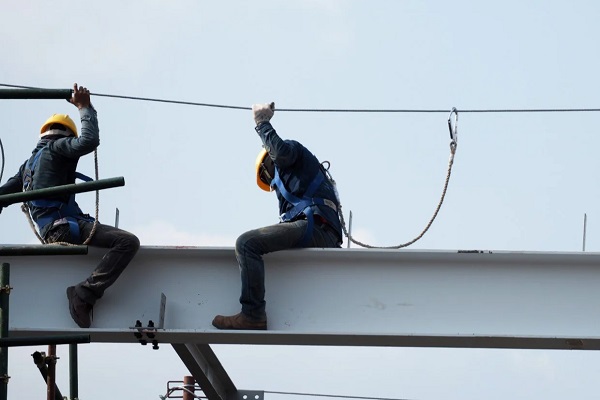
Why Lifeline Walkways Are The Ultimate Dual-Protection Roof Safety System
When it comes to working at heights, among the most effective engineering controls used today is the integration of lifeline walkways. Rather than viewing a walkway and a lifeline as two separate safety measures, modern industrial design combines them into a seamless, dual-protection system.
What is a Lifeline Walkway System?
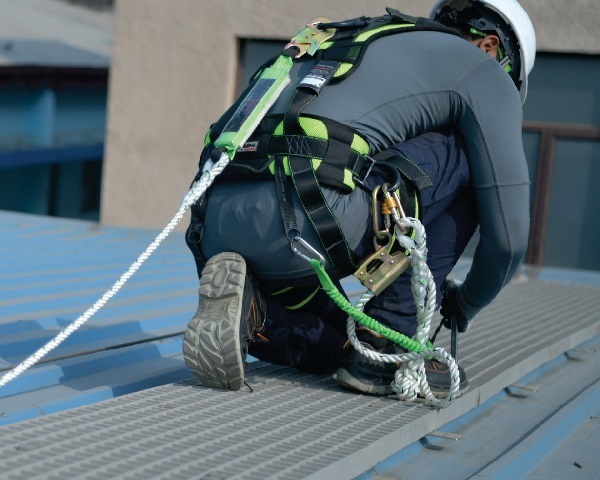
A lifeline walkway system is a comprehensive fall-protection setup that pairs an anti-slip, level walking path with a continuous horizontal lifeline (HLL). The Walkway provides a designated, high-traction path for workers, preventing slips and trips while protecting the underlying roof structure from foot-traffic damage. The Lifeline acts as a personal fall-arrest or fall-restraint system running parallel to the path. Workers clip their safety harnesses into this line, ensuring they remain securely anchored from the moment they step onto the roof until they leave.
Core Components of the System
To appreciate how these systems safeguard lives, it helps to break down their engineered components:
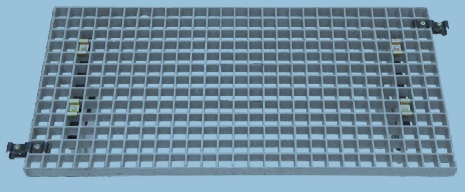
The Modular Walkway Panels: Typically manufactured from lightweight, corrosion-resistant materials like galvanized steel, aluminum, or high-grade composite plastics (such as glass-reinforced plastic). These panels feature open grates to let water, snow, and debris fall through, preserving a high-friction footing.
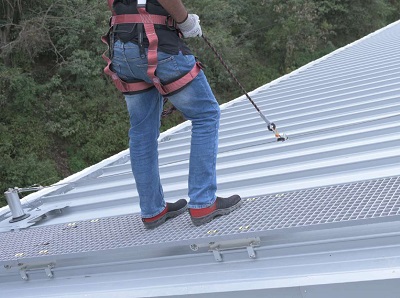
Walkway Platform specially designed to be fixed on Standing seam roof with specialized bracket & clamps.
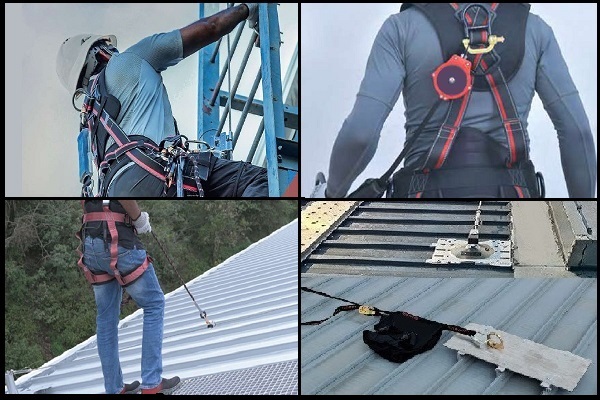
The Horizontal Lifeline (Cable or Rail): A heavy-duty, stainless-steel wire rope or rigid metal rail that stretches along the walkway route.
End Terminals and Intermediate Anchors: Secure structural posts fixed to the building’s framework or roof sheets. Intermediate supports are spaced evenly (often up to 12 meters apart) to prevent cable sag.
The Traveler (Shuttle): A specialized mobile gliding device attached to the wire. The traveler allows the worker’s lanyard to glide seamlessly over intermediate brackets so the worker never has to disconnect and reconnect when walking the route.
Shock/Energy Absorbers: Integrated into the lifeline system to dissipate dynamic forces. In the event of a fall, these components deform or deploy to absorb the impact energy, reducing the load transferred to both the worker’s body and the building’s structure.
How It Works: Fall Restraint vs. Fall Arrest
A lifeline walkway can be configured to protect workers in one of two ways, depending on how close the walkway is to a roof edge or hazard:
Configuration
Objective
How it Functions
Fall Restraint
Prevention
The worker uses a fixed-length lanyard that is physically too short to allow them to reach the roof edge or a fragile skylight. They cannot fall because they cannot reach the hazard..
Fall Arrest
Mitigation – action of reducing the severity
If the worker must access the very edge of the structure to perform maintenance, the system acts in arrest mode. If a slip occurs, the lifeline catches the worker mid-air, absorbing the shock safely.
Key Benefits of Integrating Lifelines with Walkways
1. Uninterrupted Mobility and Efficiency Traditional single anchor points require workers to constantly detach and re-attach themselves as they move across a roof, creating moments of vulnerability. A continuous lifeline walkway allows multiple workers to walk long distances without ever disconnecting, drastically improving workflow and safety.
2. Comprehensive Slip and Fall Prevention Rooftops are prone to environmental hazards like pooling water, ice, moss, and loose gravel. By providing a flat, designated anti-slip surface coupled with an anchor line, the system tackles both the cause of slips (bad footing) and the consequence of slips (falling from height).
3. Preservation of Roof Integrity Constant foot traffic can puncture roof membranes, crush insulation, and cause costly leaks over time. Walkways distribute weight evenly across structural purlins, extending the lifespan of the roof while keeping maintenance teams safe.
4. Discreet and Adaptable Design Unlike bulky collective guardrails that alter the architectural silhouette of a building, lifeline walkways are low-profile. They can be engineered to curve around complex roof geometry, navigate plant machinery, and fit seamlessly onto standing seam, composite, or flat membrane roofs.
Walkways On Standing Seam Roof
In conclusion, because lives literally hang in the balance, a lifeline walkway system requires mandatory annual inspections and recertification. This includes visual checks for cable tension, structural integrity of the anchor posts, and ensuring that no components have been deployed or damaged by an undetected fall incident.
Phakimisa Industries, provides high-quality safety solutions, which includes Lifeline Walkways, Lifeline Systems and Personal Fall Arrest System (PFAS) that ensure maximum fall protection