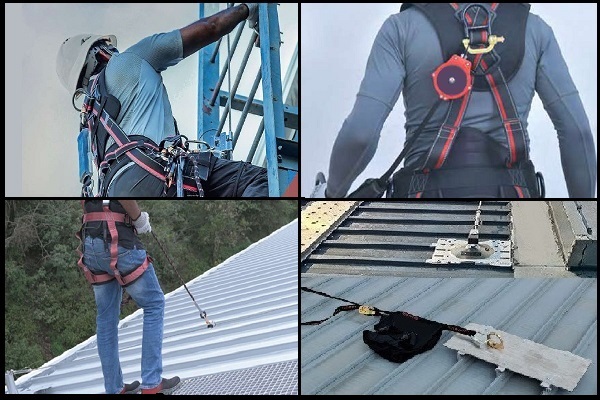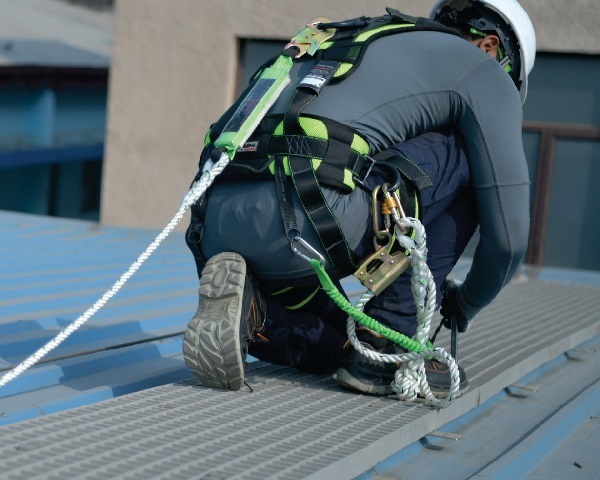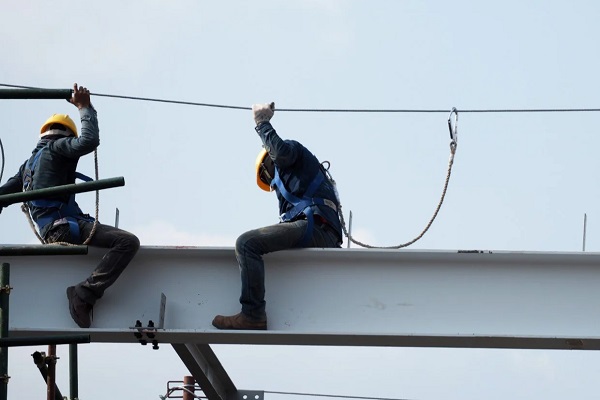
When it comes to working at heights or around hazardous environments, your safety gear isn’t just an accessory; it’s your lifeline, literally and figuratively. From construction sites to industrial plants, lifeline systems form a critical part of the safety setup, helping prevent accidents, injuries, and fatalities. But like any tool, these systems only work if they’re properly maintained.
Let’s dive into why lifeline maintenance is so important, what it involves, and how to keep your safety equipment in top working condition, because when lives are on the line, there’s no room for guesswork.
Why Lifeline Maintenance Matters
Lifelines are used to anchor workers who operate at height or near fall risks. They’re designed to catch you if you slip or fall, but over time, even the toughest materials can wear down. Exposure to weather, UV rays, dust, debris, moisture, and general wear and tear can weaken your system’s integrity without you even noticing.
Think about it like this: you wouldn’t drive a car for years without a service, right? The same principle applies here. Regular inspection and upkeep ensure that your construction equipment and safety gear can do their job when it counts.
Signs Your Lifeline Needs Attention
Here are some key red flags that your lifeline system might need maintenance or replacement:
- Frayed or worn cables or ropes
- Corroded or rusty metal parts
- Loose anchor points or connectors
- Stiff or brittle materials due to UV or chemical exposure
- Outdated certification or inspection tags
If you spot any of these, it’s time to act. Ignoring even small signs of damage can have serious consequences.
What Lifeline Maintenance Involves
Routine lifeline maintenance goes beyond a quick once-over. It includes a series of steps and checks to ensure every component is safe and fully functional.
- Visual Inspections
Regular visual inspections (daily or weekly) by trained staff help catch obvious signs of damage early. These don’t replace formal inspections but are your first line of defense. - Scheduled Inspections
Certified professionals should inspect your lifeline systems at regular intervals (usually every 6 to 12 months, depending on usage). They’ll test the anchorage, connectors, line tension, and other critical parts. - Cleaning and Lubrication
Dirt and dust can build up quickly on lifeline components. Clean them with appropriate products and lubricate metal parts if necessary to prevent rust and wear. - Storage Checks
When not in use, safety gear must be stored correctly, away from direct sunlight, moisture, and chemicals. Even the best equipment will degrade quickly if it’s thrown in a corner or exposed to the elements. - Record Keeping
Document every inspection and maintenance check. Not only does this keep you compliant with safety regulations, but it also gives you a clear picture of your gear’s lifespan and usage history.
Training and Awareness Matter Too
Even the best-maintained gear is only as good as the people using it. Make sure your team is trained in proper usage, inspection protocols, and reporting procedures. Empower your workers to speak up if something doesn’t look or feel right with their equipment.
Partner with the Pros
Maintaining safety gear isn’t a once-off task. It’s an ongoing responsibility that requires the right knowledge, tools, and support. That’s where partnering with a trusted professional makes all the difference.
At Phakimisa Industrial, safety is at the heart of everything we do. We understand that your people rely on their gear to protect them, so we help make sure it never lets them down. From supplying high-quality lifelines and safety equipment to offering expert maintenance services and inspections, we’re here to support your team every step of the way. Whether you need a complete system check or help setting up a regular maintenance schedule, our experienced team is ready to assist.