Why Lifeline Integration Matters
Falls remain one of the leading causes of injury and fatalities in the construction and maintenance industries. A proper fall protection system, especially one that includes lifelines, can mean the difference between a close call and a catastrophe. However, lifelines are only truly effective when used in coordination with other fall protection equipment such as harnesses, lanyards, and anchor points.
Key Elements of Fall Protection Systems
- Personal Fall Arrest Systems (PFAS)
A PFAS includes a full-body harness, a connector (like a lanyard or self-retracting lifeline), and an anchorage point. These components work together to arrest a fall before the worker hits a lower level. - Vertical and Horizontal Lifelines
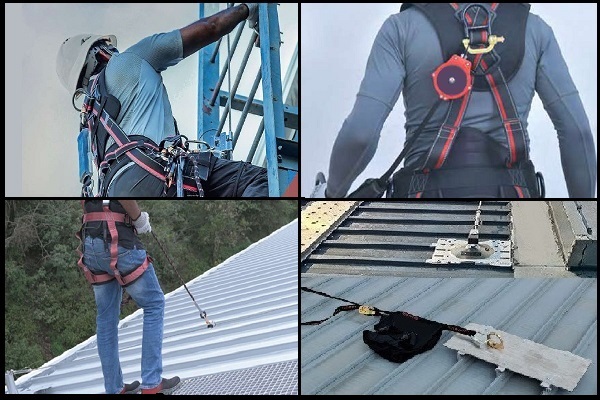
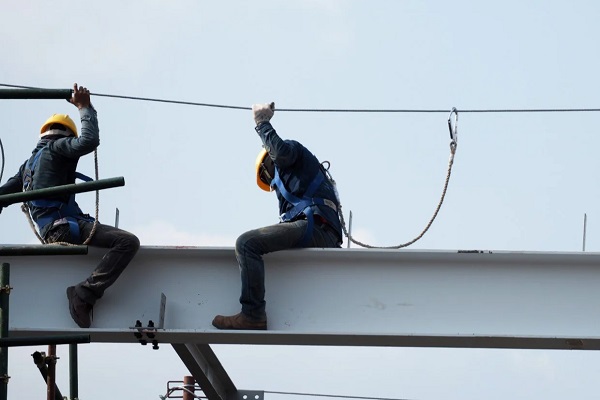
Lifelines provide a continuous connection to an anchorage while allowing worker mobility. Vertical systems run up/down (e.g., on ladders), while horizontal systems run across surfaces like rooftops or bridges. - Harness Compatibility
Ensure your harness has attachment points that match the lifeline system. Improper connections can render the entire system ineffective. - Shock Absorption
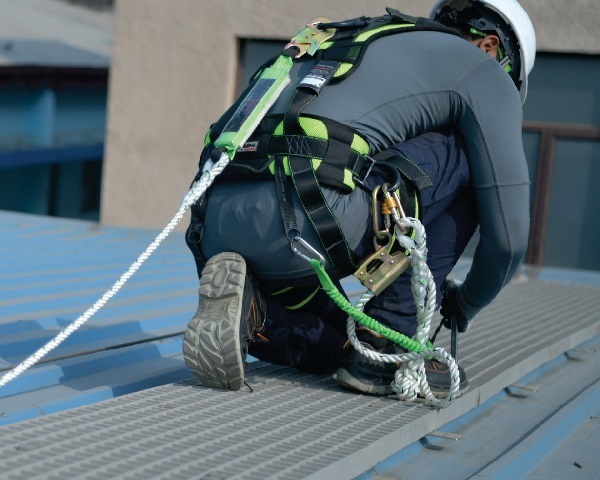
A lanyard or SRL with a shock-absorbing feature reduces the force exerted on the body in the event of a fall. Lifelines must be compatible with these devices.
Common Lifeline Integration Scenarios
Roof Work
Use a horizontal lifeline system anchored at multiple points along the roof edge. Pair with a shock-absorbing lanyard and a back D-ring harness.
Tower Climbing
A vertical lifeline system is essential. Incorporate a guided-type fall arrester with an energy absorber for a smooth slide and quick lock during a fall.
Scaffold and Platform Work
Use retractable lifelines (SRLs) attached to overhead anchor points to allow movement while minimizing trip hazards.
How to Set Up a Safe System
- Conduct a Fall Hazard Assessment: Identify the type of work, potential fall distances, and suitable anchorage points.
- Check Compatibility: Ensure all gear lifeline, harness, and lanyard come from compatible systems or meet interoperability standards.
- Train Your Team: All personnel must know how to properly inspect, wear, and use fall protection equipment.
- Perform Regular Inspections: Check for wear, corrosion, and mechanical faults. Replace damaged components immediately.
PHAKIMISA, Supporting Safety, One System at a Time
At Phakimisa, we help organizations go beyond compliance by designing safety systems that protect lives. Our team guides you in selecting the right combination of fall protection gear lifelines,including and ensuring full compatibility and legal compliance under South African safety regulations.
“Don’t just comply, protect.”