Key Features of a Fixed Vertical Lifeline

Vertical Lifeline

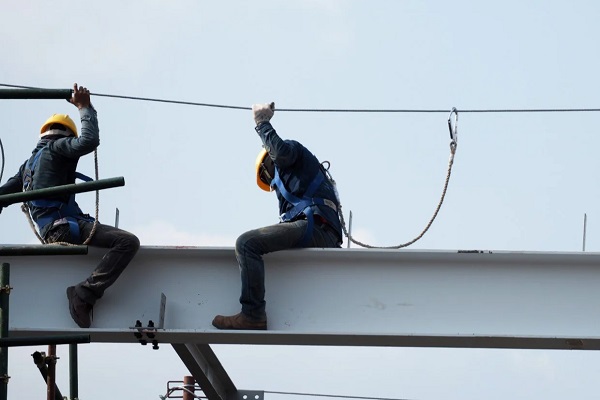
When working at heights on fixed ladders—whether on telecommunications towers, wind turbines, or industrial silos—a Fixed Vertical Lifeline (FVLL) is the primary engineering control used to prevent fatal falls.

Unlike temporary ropes, these are permanent installations designed to provide continuous attachment for a climber from the ground to the platform. Here are the critical components that make these systems work.

Key Components

1. The Carrier (The Line)
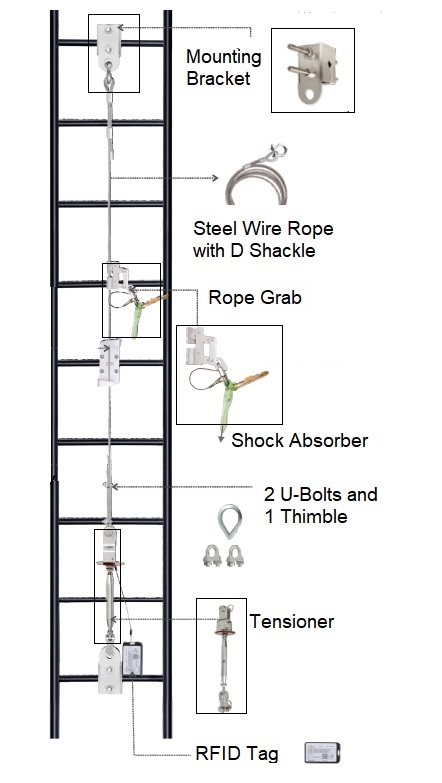
The carrier is the actual “backbone” of the system that runs the length of the ladder. There are two primary types:
– Solid Rail: A rigid aluminum or stainless steel track. These are extremely durable and often used in harsh environments where cable vibration might be an issue.
– Wire Rope (Cable): Usually a 8 mm galvanized or stainless steel cable. This is the most common variety due to its cost-effectiveness and ease of installation on long climbs.

Fixed Vertical Lifeline

2. Top and Bottom Mounting Brackets
These are the anchors that secure the system to the ladder or structure.
– Top Bracket: This acts as the primary load-bearing anchor. It must be rated to handle the impact force of a fall (typically at least 22.2 kN per user).
– Bottom Bracket: This maintains the alignment of the cable. In cable systems, it often houses a tensioning mechanism to ensure the line isn’t too slack, which could cause the fall arrester to malfunction.

3. Rope Grabs or Cable Sleeve (Fall Arrester)
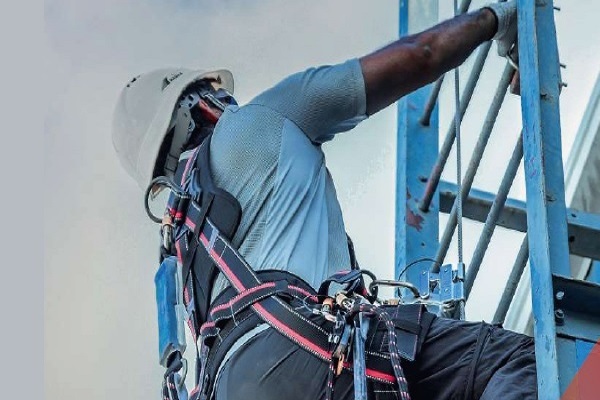
The sleeve is the “brain” of the operation. It is a mobile device that the climber attaches to their frontal D-ring on their harness.
Function: It glides freely up and down the cable as the climber moves.
Locking Mechanism: In the event of a slip, the sleeve senses the sudden downward velocity or centrifugal force and instantly locks onto the cable, stopping the fall.

4. Shock Absorber
While some systems build the shock absorption into the top bracket, most modern setups include an integrated shock absorber on the cable sleeve or the connecting carabiner.
The shock absorber ensures that the kinetic energy is dissipated, keeping the force on the user well below the threshold of internal injury.

5. Cable Guides (Intermediate Supports)
On long climbs, cable guides are installed to prevent the lifeline from flapping in the wind or vibrating against the ladder rungs.
These guides are designed so that the cable sleeve can pass through them without the climber needing to disconnect, maintaining 100% tie-off at all times.

Essential Maintenance
Because these systems are exposed to the elements 24/7, they require annual inspections by a competent person.

They look for:
✅ Corrosion:  Especially in coastal or chemical environments.
✅ Cable Tension:  Ensuring the line hasn’t stretched over time.
✅ Deployment Indicators:  Checking if the shock absorber has been partially deployed by a previous (perhaps unreported) fall  –  Some modern lifelines include built-in RFID tags to help maintain digital records of inspections and deployments
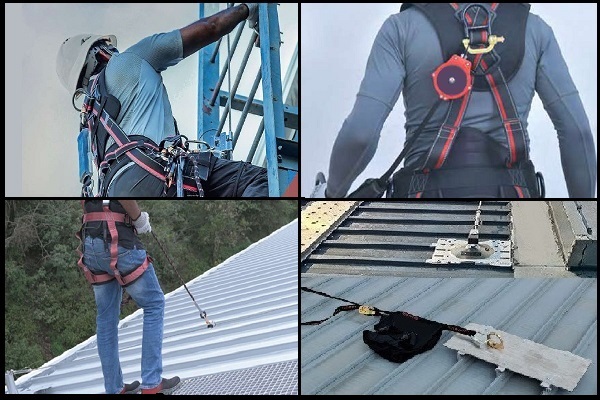
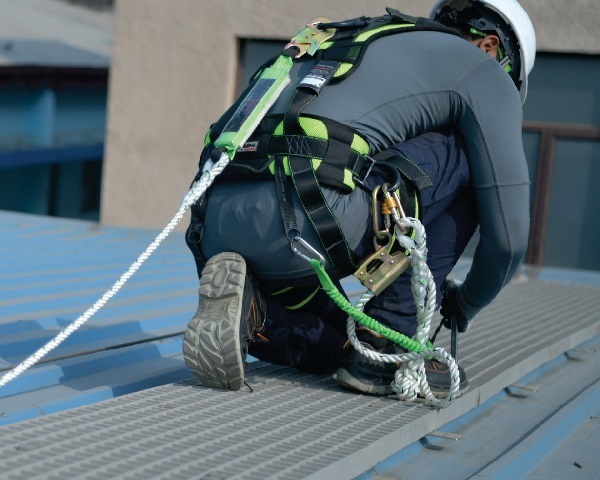
In conclusion, a complete fixed vertical lifeline system is more than just a wire rope; it’s a carefully designed combination of components that work together to save lives.

 Phakimisa Industries, provides high-quality safety solutions, which includes Fixed Vertical Lifelines and Lifeline Systems that ensure maximum fall protection