Confined Space Entry equipment are implemented in challenging areas of activity where the worker is required to move into confined spaces.
It is required that the descent into such a space is made smooth and safe, but incase the depth into such areas is large, it becomes almost equivalent to working at a height.
Therefore, to protect the worker from falling into deep and narrow confinement becomes the focus of concern.
Entering a confined space—such as a vat, silo, sewer, or storage tank—presents a unique set of hazards that standard industrial environments do not.
Specialized equipment is the primary line of defense against atmospheric hazards, physical entrapment, and engulfment.
The following categories outline the essential gear required to ensure a safe and compliant entry.
Access and Retrieval Systems
In an emergency, the “Attendant” outside the space must be able to retrieve the “Entrant” without entering the space themselves (non-entry rescue).
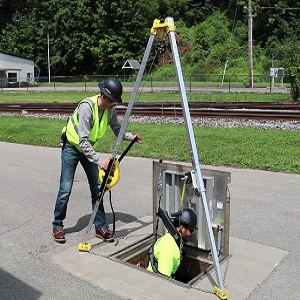
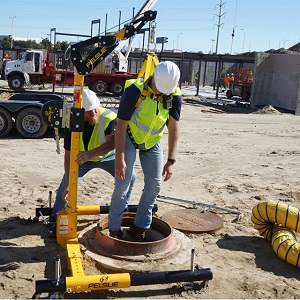
Tripods and Davit Arms: These provide a stable anchor point directly over the entry hatch.
Mechanical Winches: Used for raising and lowering equipment or personnel.
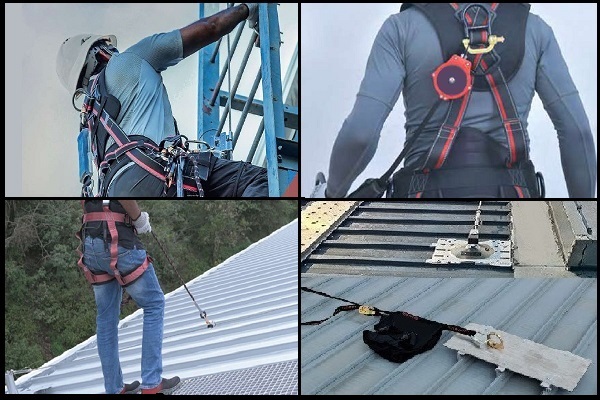
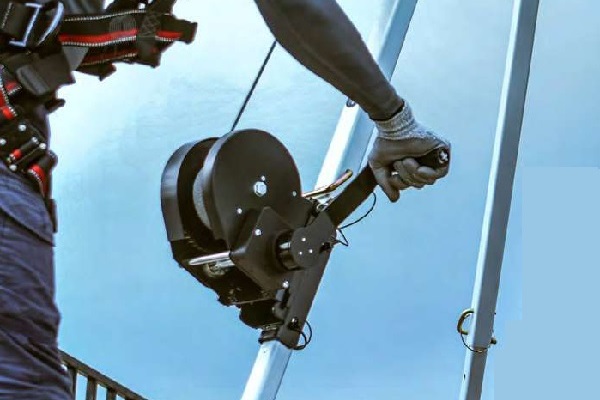
Self-Retracting Lifelines (SRL): These units provide fall protection during the climb down but feature a built-in rescue winch that can be engaged to crank a worker back to the surface if they become incapacitated.
Personal Protective Equipment (PPE)
PPE for confined spaces is often more robust than standard gear, designed to handle the rigors of tight maneuvers and specific chemical or physical threats.
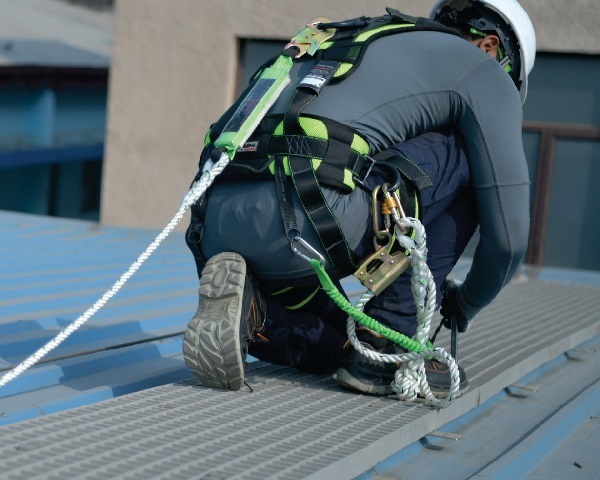
Full-Body Harnesses: Specifically, those with dorsal (back) or shoulder D-rings. Shoulder D-rings are often preferred in narrow entries as they allow the worker to be pulled out in a vertical profile.
Head and Eye Protection: Type II safety helmets (which protect against side impacts) and sealed goggles to prevent dust or chemical splashes.
Protective Clothing: Depending on the space, this may range from flame-resistant (FR) coveralls to chemical-permeable suits.
Respiratory Protection : When ventilation cannot bring the atmosphere to safe levels, respiratory gear becomes mandatory.
In Conclusion, Summary of Safety : Always ensure that every piece of gear is inspected for wear, tear, or expiration before the job begins. Safety in these environments isn’t just about having the tools—it’s about the rigorous maintenance and training that goes along with them
Phakimisa Industries, provides high-quality safety solutions, which includes Confined Space Entry Equipment, Self-Retracting Lifelines (SRL), PPE and other fall protection equipment.