Key Features Of A Fixed Horizontal Lifeline

Fixed Horizontal Lifeline


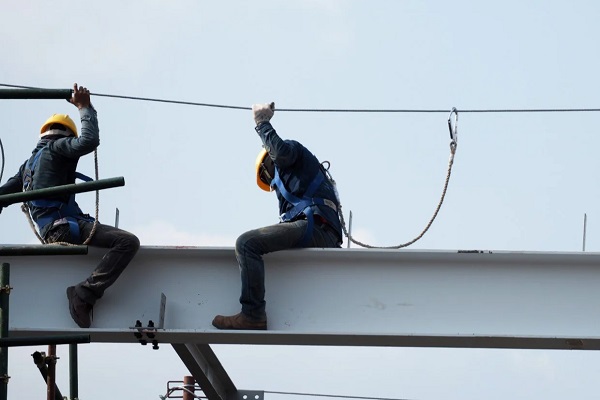
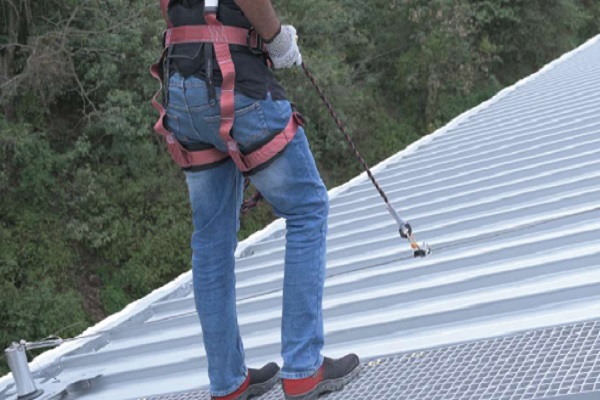
A Fixed Horizontal Lifeline (HLL) is a permanent fall protection system designed to provide continuous attachment for workers operating at heights. Unlike single anchor points, which limit movement to a specific radius, an HLL allows for lateral mobility along a defined path, making it essential for work on rooftops, crane rails, bridges, and railcar loading docks.

How the System Works
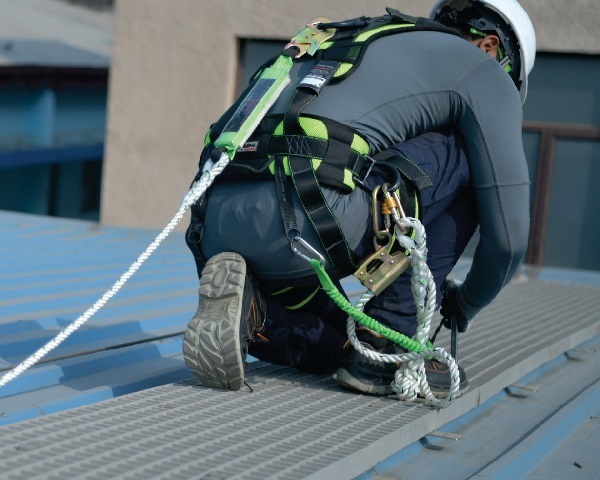
A standard horizontal lifeline consists of a flexible cable (usually stainless or galvanized steel) tensioned between two or more anchor points. A worker connects their Personal Fall Arrest System (PFAS)—consisting of a full-body harness and a lanyard—to the cable using a mobile attachment device called a shuttle or traveler.

Key Components:

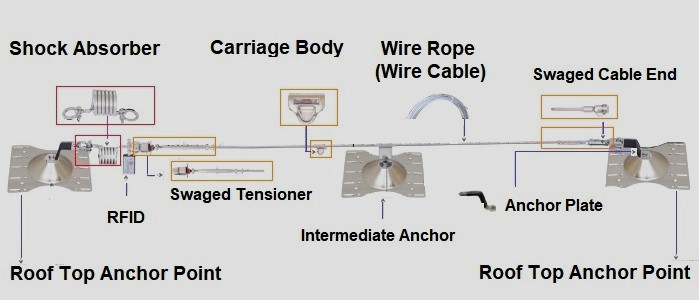
1. The Cable (Lifeline): The galvanized or stainless steel wire rope that serves as the track.

Horizontal Lifeline

2. End Anchors: Heavy-duty connection points at each end of the line that must withstand the immense loads generated during a fall.

3. Intermediate Brackets: Supports placed at intervals to reduce cable sag and limit the total fall distance – 5 to 12 meters recommended installation

4. Stainless Steel Carriage Body: Connects the user to the line with the help of a Lanyard and moves smoothly without interruption along the entire length of the Horizontal line and also through the Intermediate Brackets, thus ensuring 100% anchorage of the user at all times.

5. Tensioner: A device used to ensure the cable is at the correct tautness for optimal performance.

6. Shock Absorber: An inline component designed to dissipate energy and reduce the force transferred to the structure during a fall.

Critical Engineering Factors

A. The Angle of Deflection :
When a worker falls, the cable stretches and “deflects.” Because the cable is horizontal, the forces exerted on the end anchors can be significantly higher than the weight of the worker. This is due to the vector physics of the tensioned line.
B. Fall Clearance :
You must calculate the Total Fall Distance to ensure a worker won’t strike the ground or an obstruction below. This calculation includes:
– Free fall distance (length of the lanyard).
– Deceleration distance (deployment of the shock absorber).
– Cable Deflection: The amount the HLL bows downward under the load.
– Harness stretch and a safety factor (usually 2-3 feet).

Advantages of Fixed Systems

– Hands-Free Mobility: Specialized travelers allow the worker to pass over intermediate brackets without ever having to disconnect from the line.
– Multi-User Capability: Depending on the engineering, some systems allow two or more workers to be connected to the same line simultaneously.
– Durability: Being “fixed” means they are made of weather-resistant materials designed to stay in place for years, reducing the setup time required for daily tasks.

Inspection and Maintenance

To remain compliant with OSHA and ANSI standards, fixed lifelines require rigorous upkeep:

✅Pre-use Inspection: Workers must check for frayed wires, loose bolts, or signs of corrosion befofe every shift.
✅ Annual Certification: A competent person must perform a documented inspection at least once a year.
✅Post-Fall Inspection: If the system is ever subjected to a fall, it must be taken out of service immediately and inspected/recertified by an engineer before it can be used again.
✅ Checking if the shock absorber has been partially deployed by a previous (perhaps unreported) fall – Some modern lifelines include built-in RFID tags to help maintain digital records of inspections and deployments
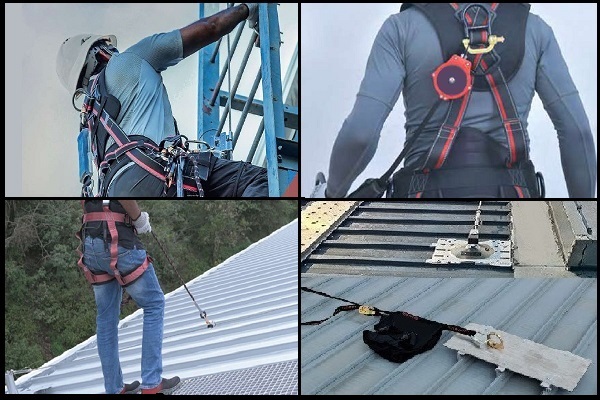
ln conclusion, Safety Note: Never attempt to install a “home-made” horizontal lifeline. The horizontal forces generated during a fall can easily tear standard bolts out of wood or light masonry if the system isn’t specifically engineered for the structure.

Phakimisa Industries, provides high-quality safety solutions, which includes Fixed Horizontal Lifeline system, Lifeline Systemsand Personal Fall Arrest System (PFAS) that ensure maximum fall protection