How Top 5 Lifeline Systems Are Designed For High-Risk Sites
If you’re are simply curious about safety gear, you might wonder which lifeline systems are the best. Here’s a rundown of the top five lifeline systems designed for high-risk sites, focusing on what makes each one stand out and why they’re crucial for keeping workers safe.
1. Horizontal Lifeline
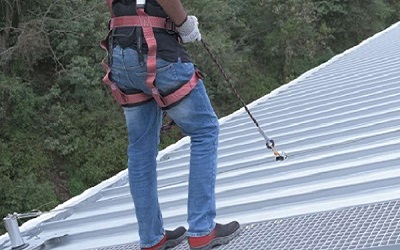
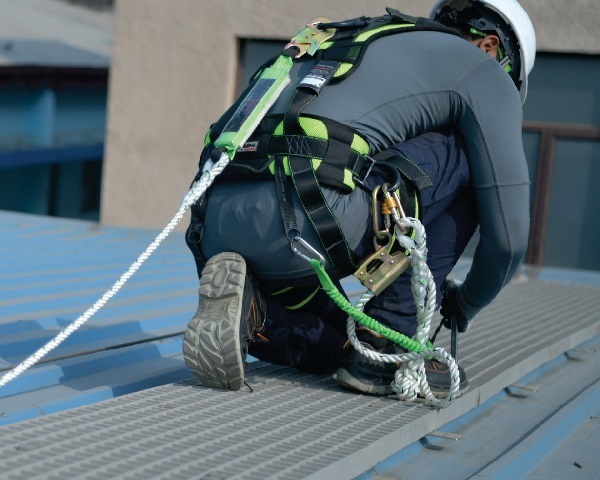
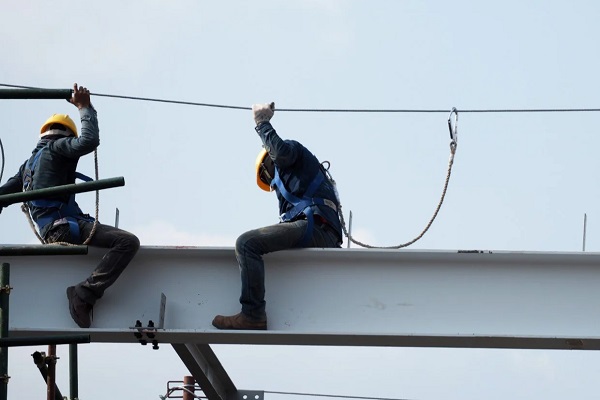
Horizontal lifeline systems are a staple when workers need to move across large areas at height. These systems consist of a flexible line, typically made of wire rope, anchored at both ends. Workers attach their harnesses to the line, allowing them to move freely along its length while remaining securely connected.
Benefits: Horizontal lifelines are incredibly versatile, making them perfect for sites where workers need to navigate complex structures. They’re easy to install and can be adapted to different site conditions, providing continuous protection across large work areas. Plus, they’re compatible with various anchor points, so you can customize the system to fit your site’s specific needs.
2. Vertical Lifeline
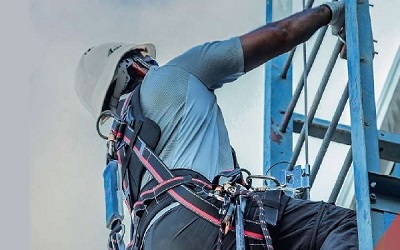
When the job requires workers to move up and down ladders, scaffolding, or other vertical surfaces, vertical lifeline systems are a must-have. These systems use a line anchored at the top and bottom, with a mobile fall arrester that moves with the worker. If a fall occurs, the arrester locks onto the line, preventing a dangerous drop.
Benefits: Vertical lifelines provide reliable fall protection in situations where workers are constantly ascending or descending. They’re especially valuable in environments where maintaining balance is challenging, like on ladders or towers. The system’s ability to lock instantly in the event of a fall gives workers peace of mind as they work.
3. Temporary Lifeline
Temporary lifeline systems are designed for short-term use, making them ideal for projects that require flexibility. These systems are portable, easy to set up, and can be quickly dismantled once the job is done. They provide fall protection in a variety of settings, including roofs, bridges, and other elevated workspaces.
Benefits: The portability and ease of setup make temporary lifelines incredibly convenient. They’re perfect for projects that move quickly or change locations frequently. Despite being temporary, these systems don’t skimp on safety, offering robust protection that meets all necessary safety standards.
4. Permanent Lifeline
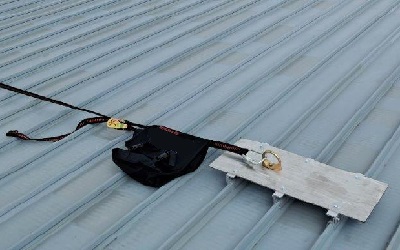
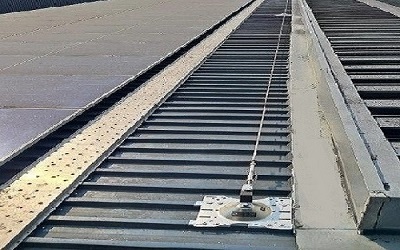
For construction sites with ongoing work or maintenance needs, permanent lifeline systems are the way to go. These systems are installed as a permanent feature of the site, providing continuous protection for workers over the long term. They’re usually more robust and durable, designed to withstand the elements and heavy use.
Benefits: Permanent lifelines are built to last, offering reliable protection daily. They’re ideal for sites where safety is a constant concern, such as industrial facilities or skyscrapers. With a permanent system in place, workers can focus on their tasks without worrying about setting up new safety measures each time.
5. Retractable Lifeline
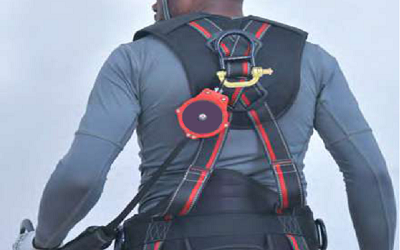
Retractable lifelines, often known as self-retracting lifelines (SRLs), are compact, easy to use, and incredibly effective. These systems work much like a seatbelt—the line extends as the worker moves and automatically retracts to eliminate slack. If a fall happens, the system locks immediately, stopping the fall in a matter of a few centimetres.
Benefits: The retractable feature allows for greater freedom of movement without compromising safety. SRLs are also less cumbersome than traditional lifelines, reducing the risk of tripping or tangling. Their quick-locking mechanism is a game-changer, offering near-instantaneous fall arrest.
In conclusion, Lifeline systems are crucial for safeguarding workers on high-risk sites. Whether you need a horizontal system for expansive areas or a retractable line for confined spaces.
Phakimisa Industries, provides high-quality safety solutions, which includes all Lifeline Systems that ensure maximum fall protection.