Polyurethane and Polyester both have “poly” in the name, and both are synthesized from polyols, and these materials can be easily confused.
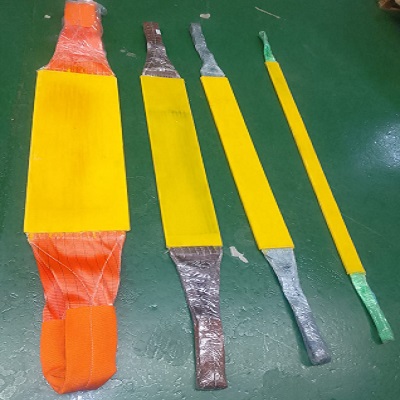
Polyurethane Slings : ✅ Polyurethane’s key benefits : superior durability characteristics, though it is typically more expensive. ✅ Abrasion and Cut Resistance: Polyurethane exhibits exceptional resistance to abrasion and cutting, outperforming polyester significantly (up to 5-10 times). This is why it is often used as a protective layer on Polyester slings, particularly when handling objects with sharp edges like sheet metal or concrete. ✅ Flexibility and Shock Absorption: Polyurethane maintains its flexibility across a wide range of temperatures and can absorb impact and vibrations effectively. ✅ Chemical Resistance: It is highly resistant to hydrocarbons, petroleum products, mineral-based oils, and certain solvents. ✅ Applications: Ideal for heavy-duty, dynamic environments, such as in oil and gas operations or heavy manufacturing, where high abrasion resistance and exposure to oils are concerns.
Difference between Polyester Slings and Polyurethane (Coating/Material)
FEATURE
POLYESTER SLINGS
POLYURETHANE COATING
Primary use
Core lifting material (webbing/yarn)
Protective coating/heavy-duty material
Stretch
Low (~3% at WLL)
Varies, often less than some types of polyester
Abrasion Resistance
Good, but lower than polyurethane
Excellent, significantly higher
Chemical Resistance
Resists acids; sensitive to alkalis
Resists oils/solvents/hydrocarbons; sensitive to most solvents as a general material
In practical lifting applications, the two materials often complement each other, with the Polyester providing the load-bearing strength and Polyurethane offering an added layer of robust protection against wear and tear in harsh conditions.
Polyurethane Coatings
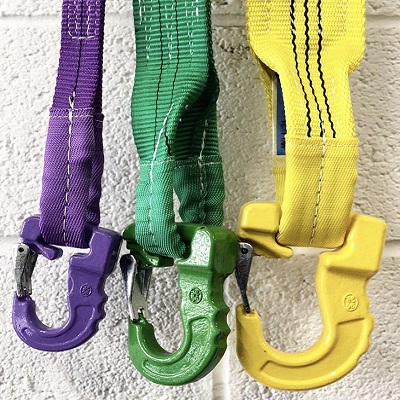
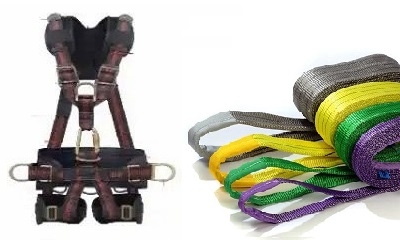
Polyester Slings
Phakimisa Industries for all your Polyurethane Coatings and Polyester Slings and Lifting equipment requirements.