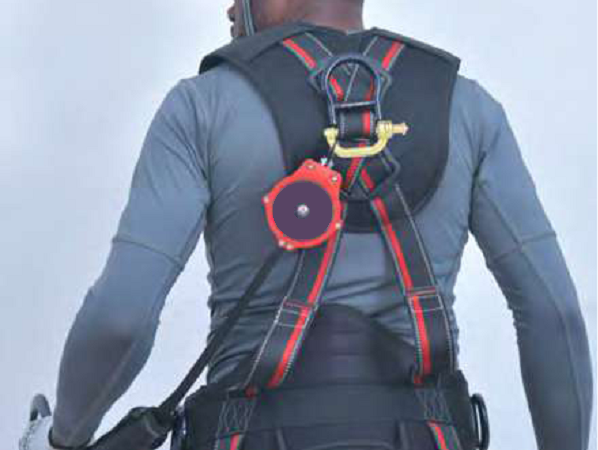
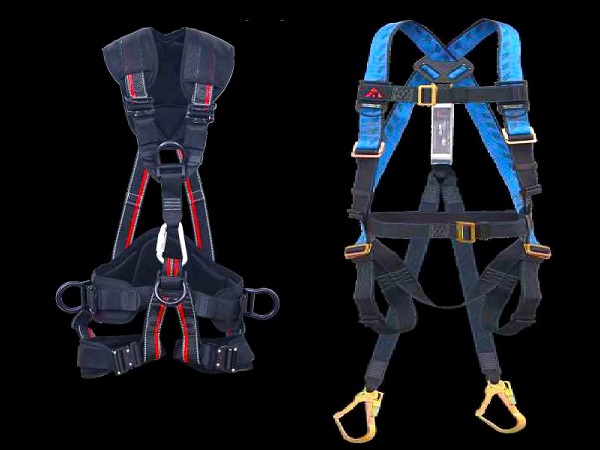
A full body harness is an essential component of a personal fall arrest system (PFAS), designed to distribute fall forces across the body’s stronger areas, significantly reducing the risk of injury during a fall.
Unlike older belt-style systems that concentrated impact on the abdomen, modern full-body harnesses encompass the shoulders, chest, waist, and thighs, providing comprehensive support and suspension after a fall.
A full body harness is a complex assembly of straps, buckles, and metal hardware.
Key components include:
Webbing (Straps) : Strong, durable synthetic materials (typically nylon or polyester) – Forms the structure of the harness, absorbing and distributing fall forces
Dorsal D-Ring : A forged metal ring, typically located between the shoulder blades – Primary and required attachment point for the fall arrest connector (lanyard/SRL)
Shoulder Straps : Straps connected to the chest, back, and leg straps to form a supportive structure around the torso – They help keep the entire harness system correctly positioned on the body and prevent it from slipping off during use or a fall.
Leg/Thigh Straps : Straps that pass around the worker’s upper thighs – Secure the harness, distribute a significant portion of the fall force, and prevent the harness from riding up.
Sub-Pelvic Strap : A strap positioned under the buttocks – Provides critical support to the pelvic area and is key to reducing the risk of suspension trauma (orthostatic intolerance) while awaiting rescue.
Optional D-Rings : Sternal (chest), Shoulder, or Side D-rings – Used for specific applications like confined space retrieval (shoulder), ladder climbing systems (sternal), or work positioning/restraint (side), not for primary fall arrest.
Proper Fit and Inspection: The Difference Between Safety and Disaster
A harness is only effective if worn correctly. An improper fit can lead to serious injury.
Inspection (Before Every Use):
✅ Inspect webbing for cuts, fraying, pulled stitches, burns, or chemical damage.
✅Ensure all labels are present and legible.
✅Check all metal hardware (D-rings, buckles) for cracks, corrosion, and distortion.
Why They Are Critical:
Full-body harnesses are mandatory in many industries where workers are exposed to fall hazards, such as construction, utilities, and general industry.
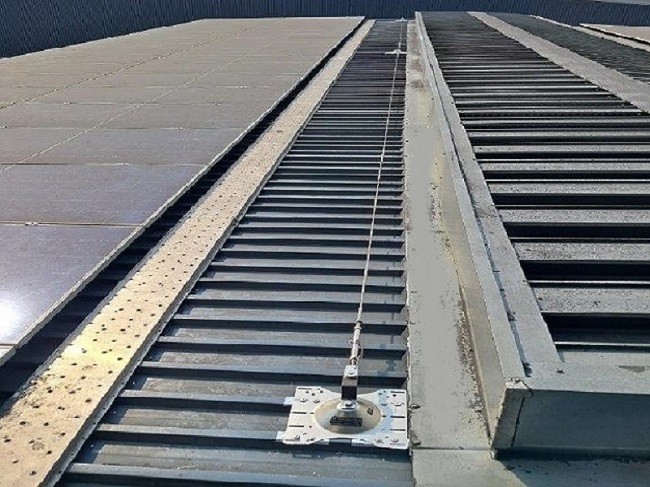
When properly used in conjunction with other PFAS components (like lanyards, lifelines, and anchor points), they are a worker’s primary defense against life-threatening falls, allowing for safe rescue and preventing severe injuries or fatalities.
Regular inspection and proper training on their use, fit, and limitations are paramount for ensuring their effectiveness.
In conclusion, for any work at height, the correct and careful selection, inspection, and proper use of the full-body harness are non-negotiable requirements for ensuring worker safety and maintaining regulatory compliance.