HOW COMPLIANCE VS CULTURE COMPARE IN THE WORKPLACE

Compliance Safety Standards

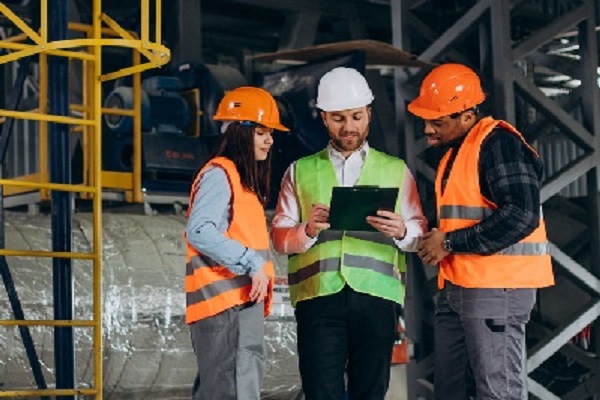
Why We Need Both In high-risk industries like work at height, we often hear the question: “Is compliance more important, or is culture?” The answer: Neither is more important, both are essential. Compliance gives us the rules, and culture, determines how we live them. Without both, safety becomes inconsistent, where audits may pass, but the … Read more

Key features of Temporary Lifelines

Lifeline

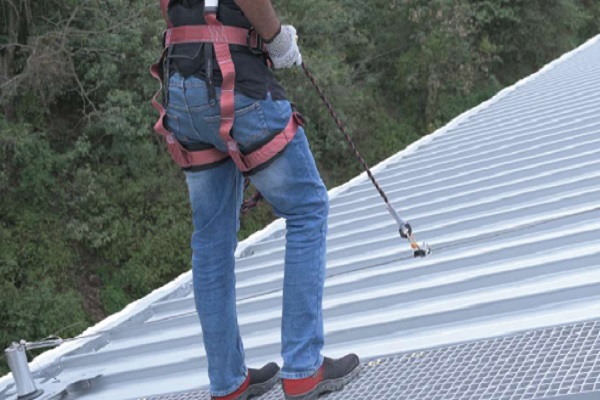
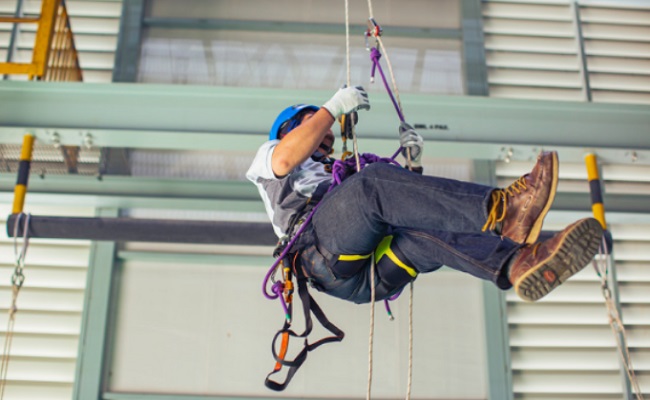
When working at heights where permanent fall protection isn’t feasible, Temporary Lifelines (TLLs) are used for site safety. Whether you’re navigating a rooftop, erecting steel, or performing bridge maintenance, these systems provide a mobile “anchor” that moves with you. What is a Temporary Lifeline? A temporary lifeline is a flexible line—typically made of synthetic fiber … Read more

Key Features Of A Fixed Horizontal Lifeline

Fixed Horizontal Lifeline

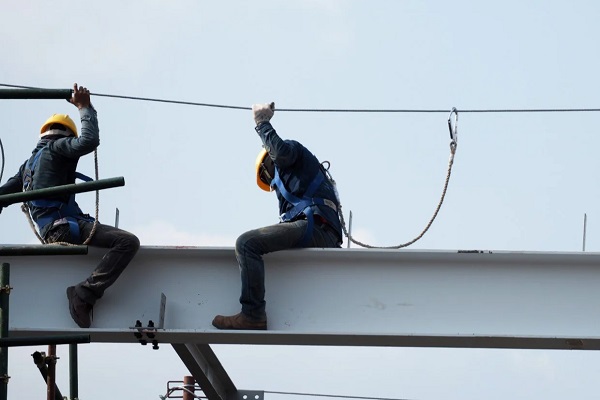
A Fixed Horizontal Lifeline (HLL) is a permanent fall protection system designed to provide continuous attachment for workers operating at heights. Unlike single anchor points, which limit movement to a specific radius, an HLL allows for lateral mobility along a defined path, making it essential for work on rooftops, crane rails, bridges, and railcar loading … Read more

Key Features of a Fixed Vertical Lifeline

Vertical Lifeline

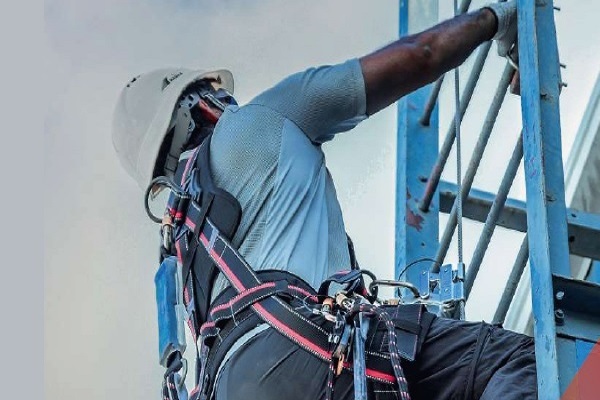
When working at heights on fixed ladders—whether on telecommunications towers, wind turbines, or industrial silos—a Fixed Vertical Lifeline (FVLL) is the primary engineering control used to prevent fatal falls. Unlike temporary ropes, these are permanent installations designed to provide continuous attachment for a climber from the ground to the platform. Here are the critical components … Read more

Comprehensive Guide to Confined Space Entry Equipment

Confined Space Entry

  Confined Space Entry equipment are implemented in challenging areas of activity where the worker is required to move into confined spaces. It is required that the descent into such a space is made smooth and safe, but incase the depth into such areas is large, it becomes almost equivalent to working at a height.Therefore, … Read more

Key Features Of A Full Body Harness

Full Body Harness

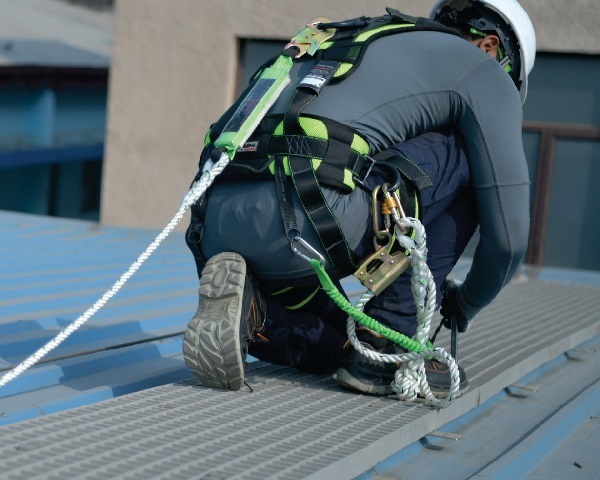
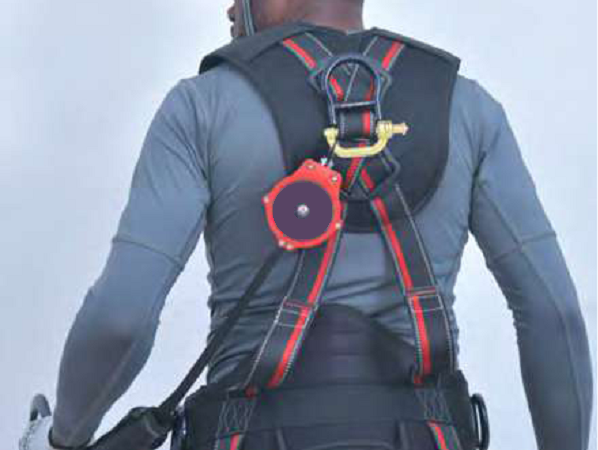
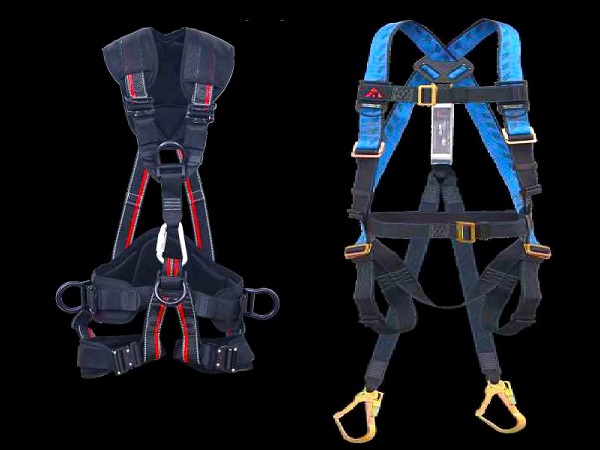
  A full body harness is an essential component of a personal fall arrest system (PFAS), designed to distribute fall forces across the body’s stronger areas, significantly reducing the risk of injury during a fall.Unlike older belt-style systems that concentrated impact on the abdomen, modern full-body harnesses encompass the shoulders, chest, waist, and thighs, providing … Read more

Workers at Height Life-Saving Defense

Worker At Height

  Falls from height remain a leading cause of serious injury and fatality in industrial and construction settings. To combat this critical hazard, a Personal Fall Arrest System (PFAS) is required, and at its core lies the symbiotic relationship between the full-body harness and the industrial lifeline. Neither component is fully effective without the other; … Read more

Why Lifeline Systems Are Essential

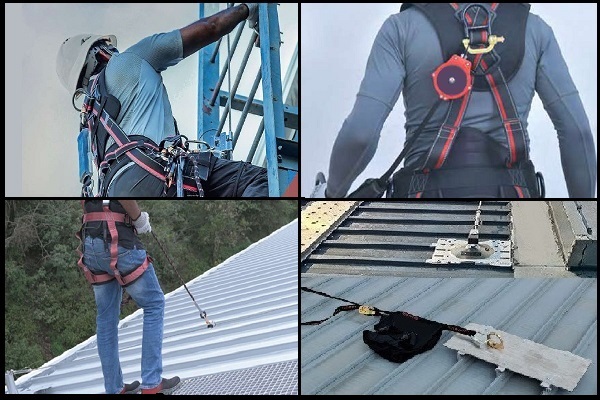
  A Lifeline System is an essential part of fall protection in industries where workers are exposed to fall hazards, such as construction, maintenance, telecommunications, and utility work. A complete system ensures that if a fall occurs, the individual is safely arrested, minimizing the risk of severe injury. Main components : . Wire Rope Lifeline … Read more

Horizontal Lifeline Systems: Fall Protection

Horizontal Lifeline System

In industrial, commercial, and infrastructure settings, working at height is often unavoidable, and it’s one of the most dangerous aspects of the job. Whether on rooftops, catwalks, or cranes, having a properly designed and certified horizontal lifeline system is not just a safety requirement; it’s a lifesaving necessity. Phakimisa provides South African industries with engineered … Read more